Third Biennial Language Research Symposium

LANGUAGE AND DECOLONIZATION IN A TRANSFORMING HIGHER EDUCATION SECTOR: CELEBRATING THE INTERNATIONAL YEAR OF INDIGENOUS LANGUAGES

Third Biennial Language Research Symposium

2019

UNITE Builing, UKZN

Keynote Speaker(s)

Please see the video below to view the keynote address and other presentations.

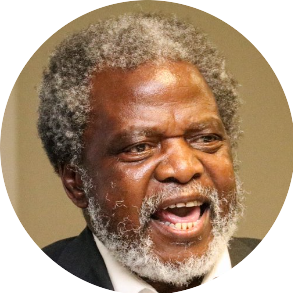
Professor Muxe Nkondo

Scholar of social policy, national strategy development, and discourse analysis and, former Deputy Vice-Chancellor (Academic Affairs) at the University of Limpopo and Vice-Chancellor of the University of
Venda.

Professor Dion Nkomo

Dion Nkomo is an Associate Professor of African Language Studies and Interim Chair of the NRF SARChI: Intellectualisation of African Languages at the School of Languages and Literatures at Rhodes University. 

About The Language Research Symposium

The University Language Planning and Development Office hosted its Third Biennial Language Research Symposium at UNITE Building at the Howard College Campus.The theme of this year’s Language Research Symposium was Language and Decolonization in a Transforming Higher Education Sector: Celebrating the International Year of Indigenous languages. This theme was motivated by the fact that the year 2019 was declared by the United Nations as the Year of Indigenous Languages. The thematic strands were as follows: 

  • Language policy and planning in Higher Education 
  • Human Language Technologies 
  • Terminology Lexicography and Dictionary Compilation 
  • Corpus and Indigenous Language System 
  • Language of teaching and learning, research and interventions 

The Language Research Symposium was officially opened by the Deputy Vice Chancellor: Teaching and Learning, Prof Sandile Songca. He emphasized that the University views language as vitally important in any academic process. He stated that the University is thus committed to development of isiZulu, and lauded the ULPDO for doing a sterling job in the implementation of the University Language Policy and Plan. The Symposium papers were very insightful. The papers were engaging, and mostly covered the importance of language in higher education, particularly its role in epistemological access and student success. Conferring was lively and robust with a lot of ideas exchanged between presenters and the audience. It was interesting to note that both the students and academics presented at the symposium. 

The last day of the Symposium was equally a very interesting panel discussion with Professor Langa Khumalo leading the discussion on the milestones in the
development of isiZulu and the operationalization of the University’s language policy and plan. The evaluation of the LRS showed that the office received positive reviews from the Symposium delegates. Some comments stated that the programme went well, and that the presentations were informed and informative as always. However, there are areas of improvement that were suggested as well, such as expanding the scope of the symposium to cater for academics outside UKZN.